Seniors
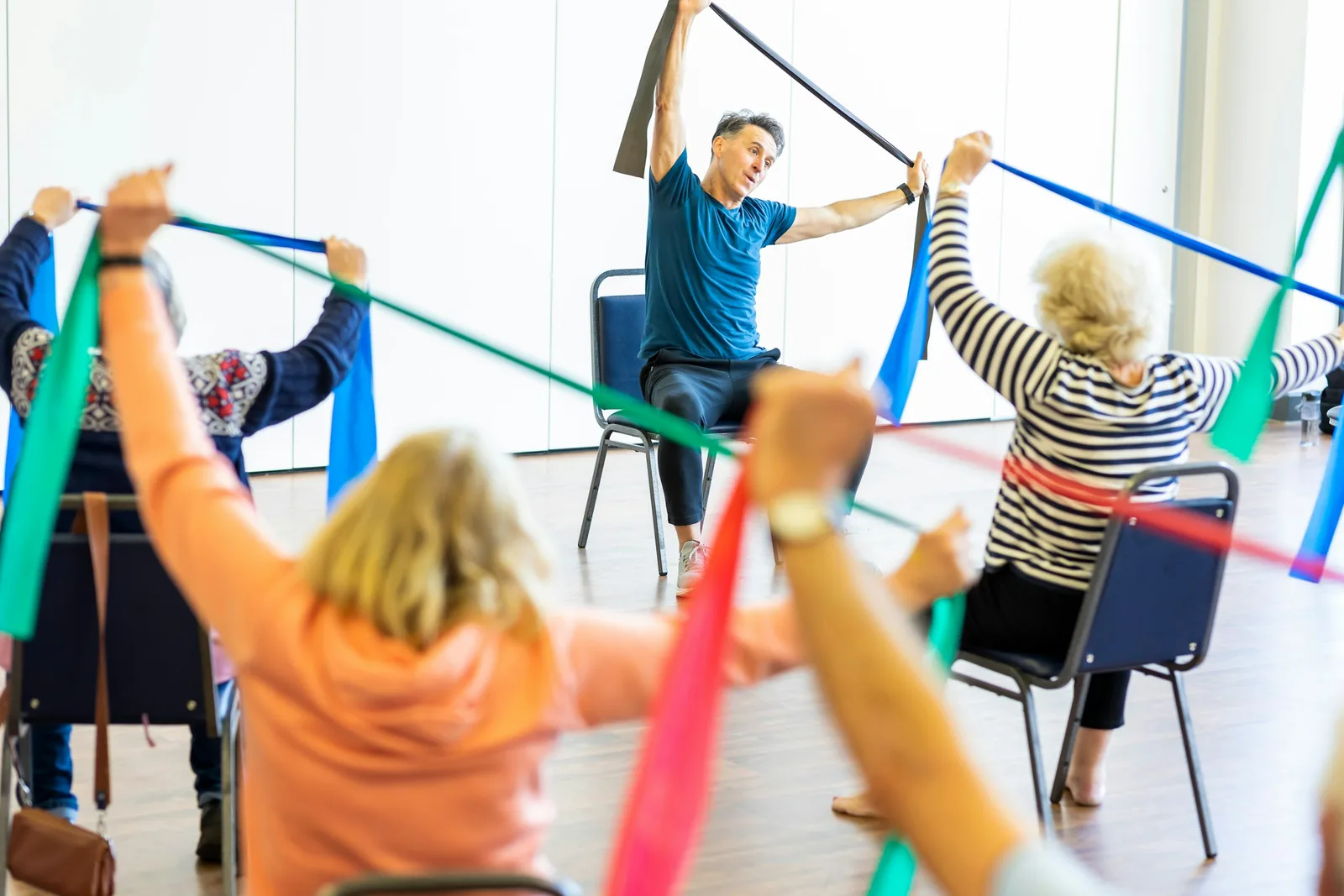
Well past 45, training genuinely shifts focus entirely: it's no longer just about building muscle, it's about preserving the bone density, balance and muscle mass that naturally start declining with age.
Strength & Menopause very specifically targets women right past 45 with loading work carefully adapted to hormonal changes, over 12 weeks at three sessions a week. Strength 50+ speaks much more broadly to anyone who genuinely wants to preserve muscle, bone and balance past fifty, with weight-bearing movements and proprioceptive work built into every single session, never rushing the joints.
These carefully built programs always use only genuinely progressive loads, never extreme ones, with constant close attention paid to technique, joints and recovery between each and every single session of the week.

Not sure yet?
Try the method first with the Starter Week: three full-body sessions written like our Seniors programs, free, no credit card.
Which strength program after 50?
One that uses strength as the tool and independence as the goal. Strength 50+ works muscle, bone and balance over 12 weeks, at three sessions a week, with dumbbells, resistance bands and gym options. For women, Strength & Menopause follows the same 12-week format, with loading adapted to the hormonal changes that come after 45. No prior experience is required: both programs are written for all levels, including people who have never set foot in a gym.
Getting back to training at 50 without getting hurt
The rule is the same as at 20, applied with more care: technique first, load second. The first weeks are for relearning the movements at light loads, before climbing in small steps. It’s slower than a standard program, and deliberately so: joints and tendons strengthen at their own pace, and nothing in the plan assumes a younger body. Our guide to strength training after 50 walks through that comeback step by step.
Sarcopenia, in plain words
From your fifties on, the body naturally loses the muscle and strength it doesn’t use: that’s what doctors call sarcopenia. The good news fits in one sentence: muscle responds to training at any age. Regular strength sessions maintain muscle mass, and weight-bearing movements load the bones, two assets far easier to preserve than to win back. That is exactly the work these two programs are built around.
How many sessions a week?
Three, with a recovery day between each. At this age, recovery is part of the training just as much as the sessions themselves: three complete, well-recovered sessions beat a daily grind that wears down more than it builds. Walking, cycling or swimming keep their full place on the other days, as long as the three strength sessions stay the priority of the week.
Do you need a gym membership?
No. Dumbbells and bands are enough to follow these programs, and every exercise offers its gym alternative if you prefer guided machines. That also makes the sessions easy to keep up on holiday or away from home. Balance and proprioception need no equipment at all: they are built into every session.
The PDF format: everything written down, nothing to guess
Each program is a PDF: exercises, sets, rest times, week by week progression and alternatives for your equipment. You download it once and it stays yours. Back, posture, flexibility: the health programs are the natural next page after this one.